July 13th – August 3rd, 2023
West Sumba, East Nusa Tenggara, Indonesia
2nd Destination
Discover Our Destinations
Situated in West Sumba Regency, the ICOP 2023 destinations are coastal and agricultural villages rich in tradition. Megalithic tombs, traditional villages (kampung adat), the Pasola festival, and Sumba ikat weaving give each community a strong cultural identity. Alongside this heritage, residents face challenges in livestock feed, child nutrition, waste management, and marketing local products, creating opportunities for mutual growth and sustainable grassroots impact. COP in Sumba was held in collaboration with Widya Mandira Catholic University in Kupang and Christian University of Sumba.
Patialabawa
Patialabawa Village, Lamboya District
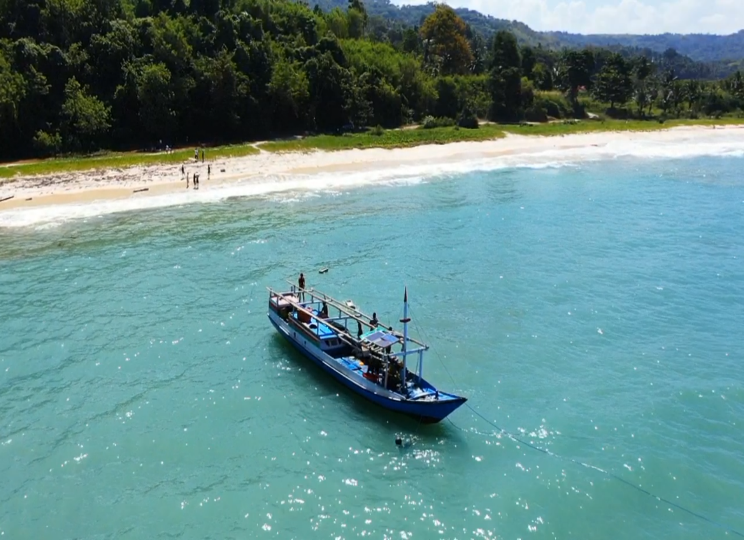
Patialabawa residents work as fishermen or as farmers growing cloves, candlenut, and cashew, and most keep pigs for savings and ceremonies. The village has the Yaru Wora traditional village, three natural beaches, and the annual Pasola festival.
This tourism potential has yet to benefit residents, with no parking, toilets, or signage. Feed costs are rising, stunting cases remain, and fishermen struggle to sell their catch, while plastic waste and unused manure add to the challenges.
Weihura
Weihura Village, Wanokaka District
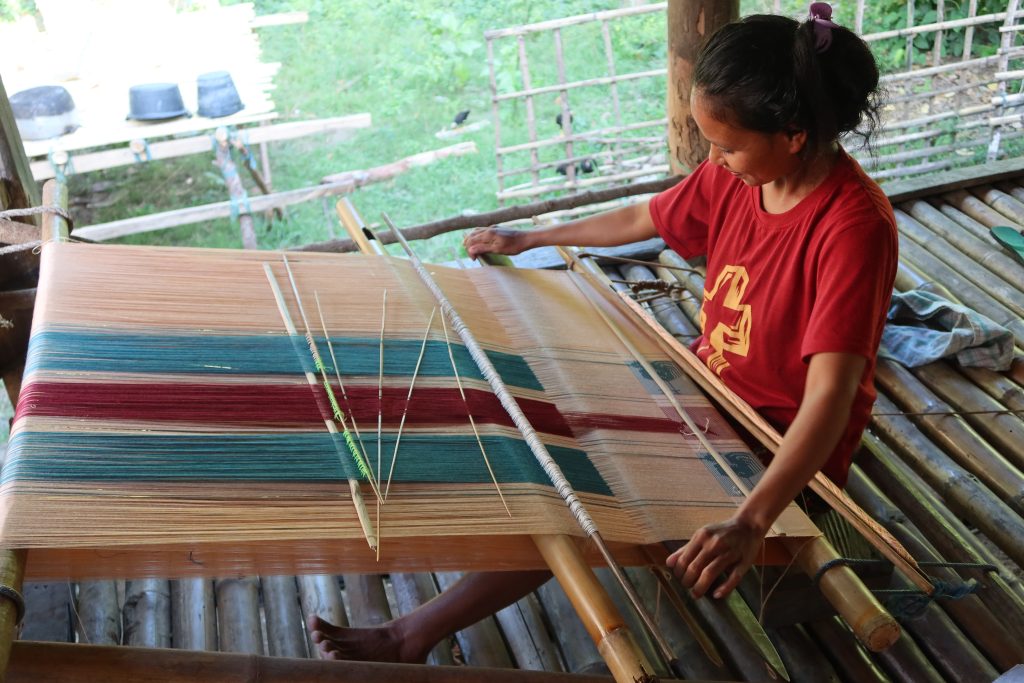
About 80% of Weihura’s residents are farmers on fertile land near the river, harvesting rice twice a year. Women weave Sumba ikat, and the village has cultural potential through Pasola, the Prai Goli traditional village, and megalithic stones.
Around 29 children aged 2 to 5 are stunted, and rising feed costs and rice-only farming limit livelihoods. Cultural tourism lacks promotion, ikat weaving is hard to market, and plastic waste and unused manure remain problems.
Rua
Rua Village, Wanokaka District
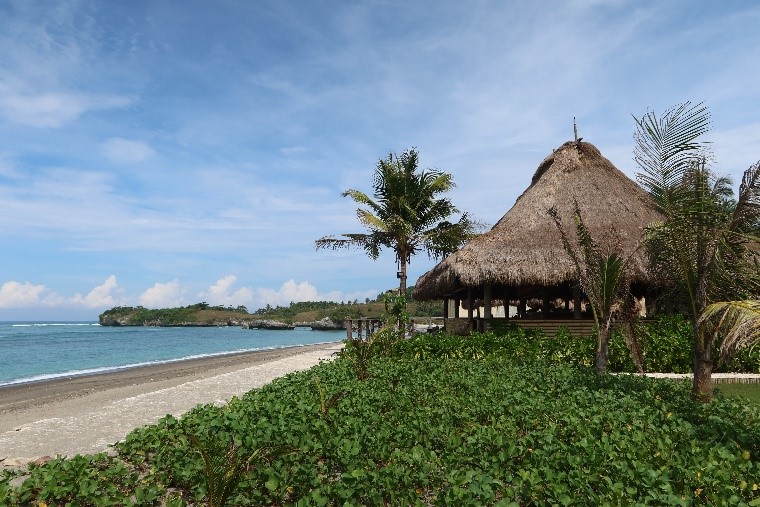
Rua is a coastal village in Wanokaka District where fishing and the sea are part of daily life. Fishermen and visitors gather at Rua Beach, which holds potential for local seafood and tourism.
Basic public facilities, such as restrooms at the beach, are still lacking. The community also needs better knowledge of clean and healthy living, support for children’s learning, and help with agricultural management and marketing seafood products.