July 13 – August 7, 2026
Mojokerto Regency, East Java, Indonesia
Destination
Discover Our Destinations
Located in the highlands and rural communities of Mojokerto Regency, each ICOP 2026 destination has its own landscape, livelihoods, and local priorities. From agriculture and small businesses to environmental management and education, these communities hold valuable resources while facing challenges that shape their development needs.
Pacet Selatan
Pacet Village, Pacet District
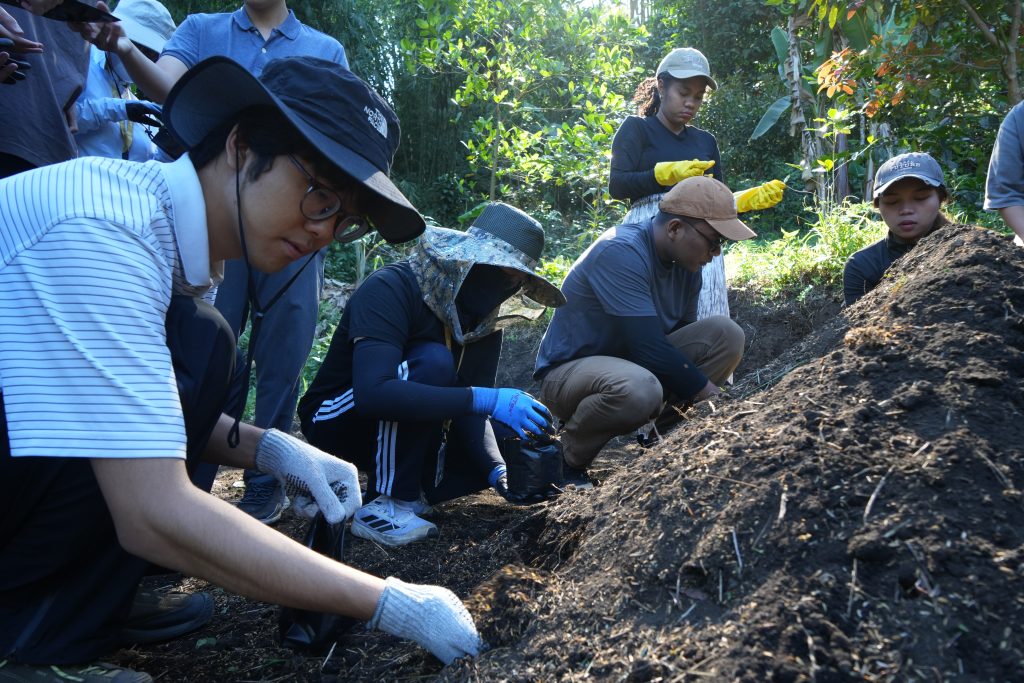
Surrounded by agricultural land and hilly landscapes, the area is home to residents who rely on farming and livestock raising. Local economic activities also include coffee production and banana-chip businesses, while the surrounding natural environment offers potential for agritourism.
Local needs include better access to markets, improved product processing and packaging, more engaging learning facilities for children, and safer roads with adequate lighting and traffic signs.
Podorejo
Sajen Village, Pacet District
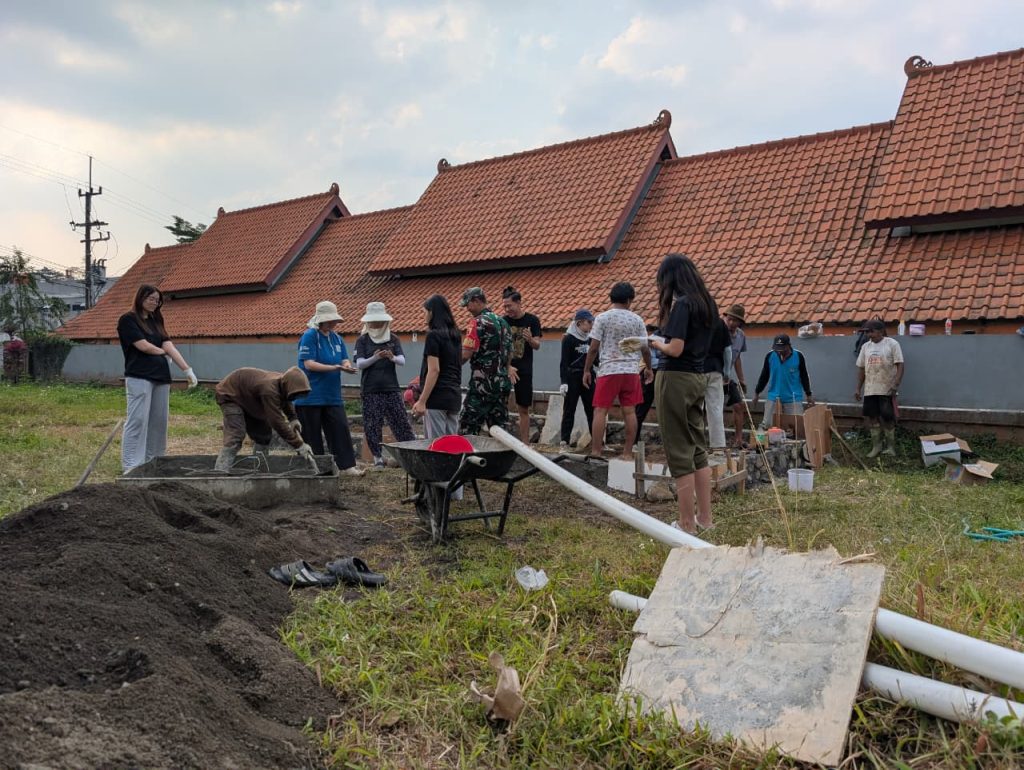
Podorejo is a close-knit farming community where residents grow rice and corn, raise livestock, and take part in local waste-management activities. Traditional Bantengan performances are also an important part of the community’s cultural identity.
Waste management is a key local concern. Household waste sorting, improved waste-bank management, and better separation of organic and recyclable materials can help maintain a cleaner environment while creating opportunities to increase the value of recyclable waste.
Wiyu
Wiyu Village, Pacet District
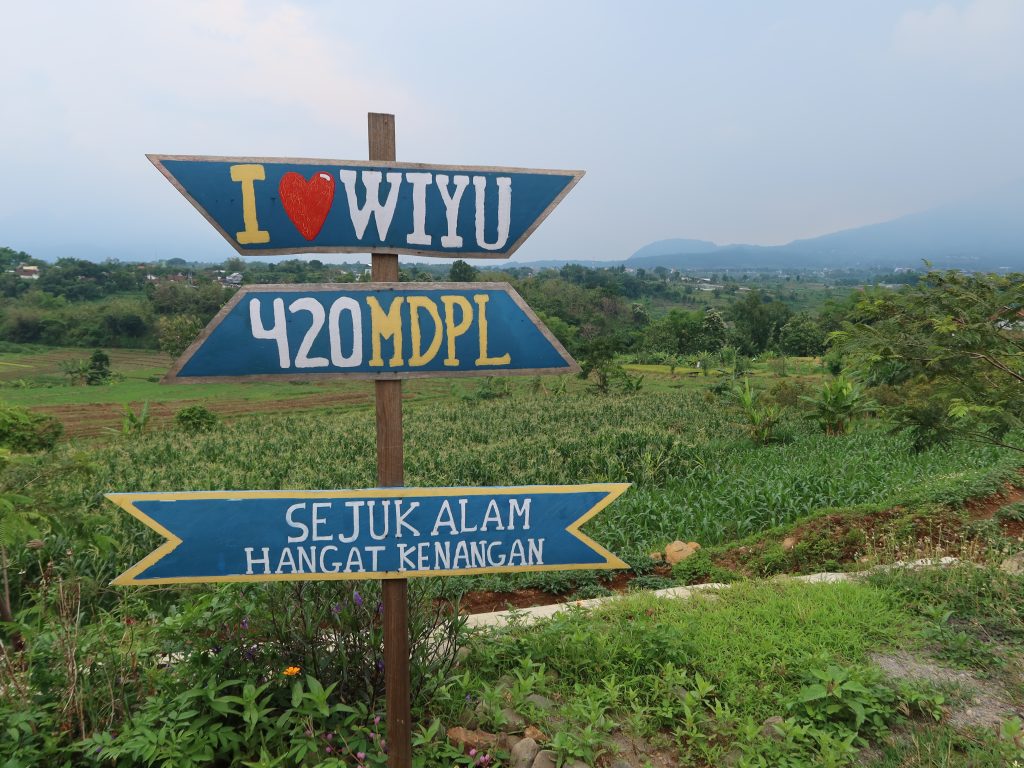
With fertile soil and a landscape suited to agriculture, many residents of Wiyu work as farmers. The community also has an active youth organization and a strong spirit of mutual cooperation.
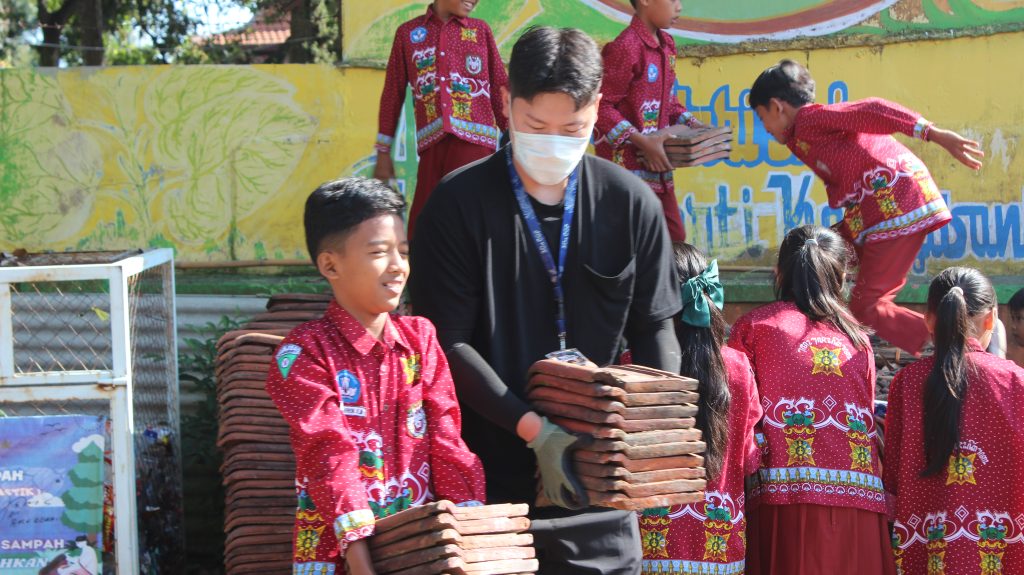
The hamlet faces challenges involving household waste, water cleanliness during rainy periods, and slippery or poorly lit roads. Environmental awareness, organic-waste processing, improved public facilities, and safer community spaces are among its priorities.
Tlebuk
Wiyu Village, Pacet District
Tlebuk is home to agricultural activities, including the cultivation of cassava, as well as a local cultural tradition of karawitan. These resources offer opportunities to strengthen local food products and preserve cultural heritage.
Community needs include better learning facilities and reading resources for children, support for developing cassava-based products, improved river-cleanliness awareness, and efforts to maintain traditional arts and improve public spaces.
Gumeng
Gondang District
Gumeng’s rural landscape supports farming and small-scale livestock raising. Residents cultivate crops such as cassava, taro, corn, bananas, and rice, while bamboo and local tourism offer further economic potential. Community life is supported by traditions of mutual cooperation and local cultural activities.
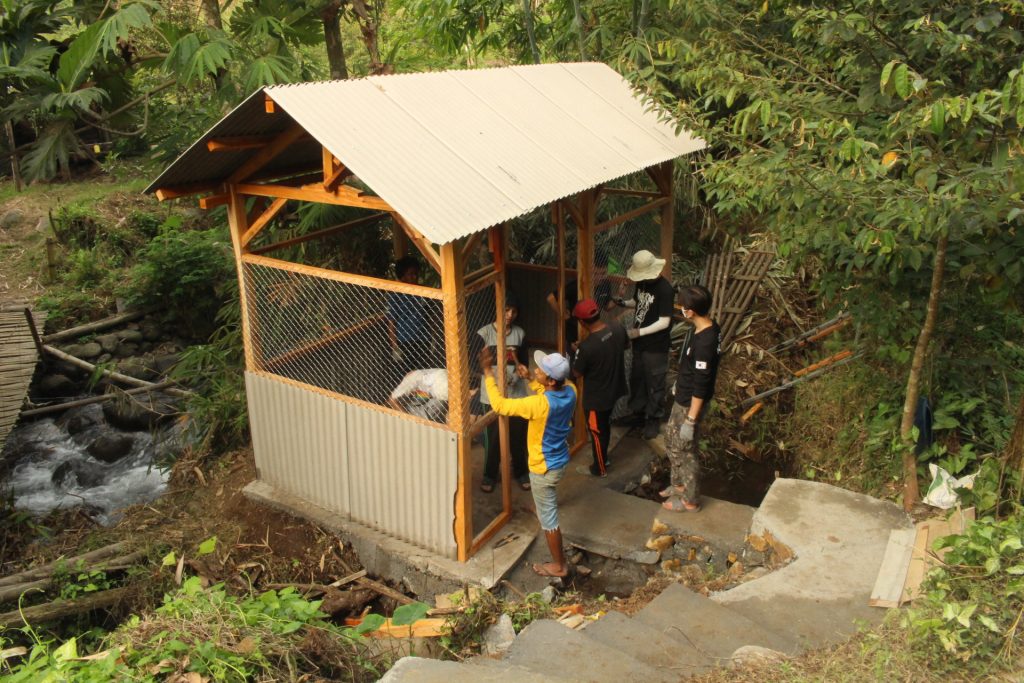
Key challenges include limited access to healthcare and higher-level education, inadequate street lighting, and limited collective facilities for managing and distributing agricultural products. Better livestock-waste management, educational support, and stronger local economic networks could help the community build on its existing resources.
Dilem
Gondang District
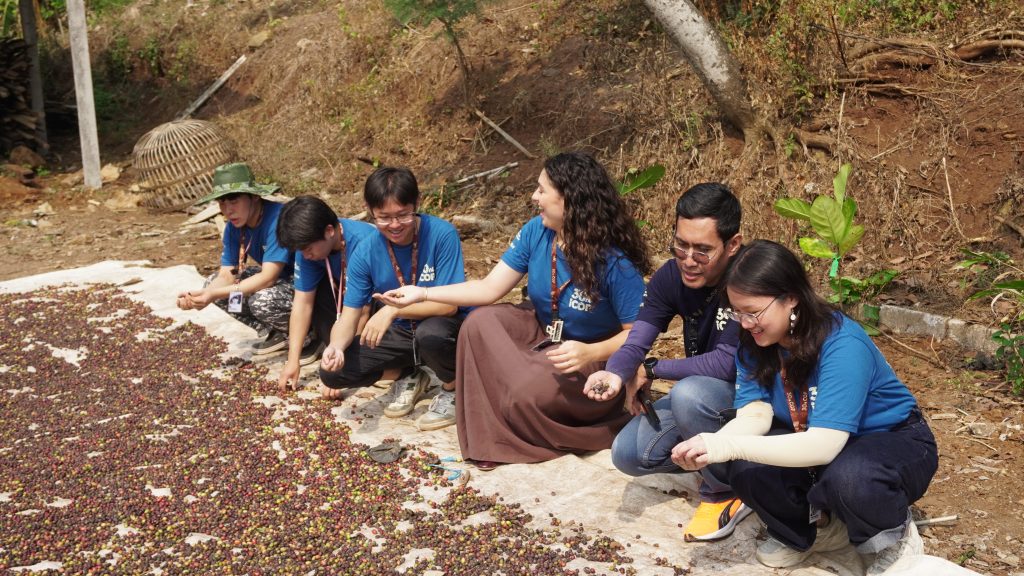
Dilem is a small rural community where agriculture and livestock raising are major livelihoods. Local economic activities also include small businesses producing vegetable chips, while coffee presents an opportunity to develop a stronger village identity and attract visitors.
The village faces challenges related to road infrastructure and the need to strengthen local economic opportunities. Improving coffee branding and marketing, supporting local businesses, developing village tourism, and improving environmental management are important steps toward more sustainable community development.